
The world of mobile gaming is always buzzing, moving at lightning speed. It’s tough to keep up with what’s hot and what’s coming next, but that’s part of the fun! So, what’s actually shaping the future of gaming on our phones and tablets? It’s a mix of familiar concepts getting a fresh coat of paint and entirely new ways to play emerging. We’re seeing games get smarter, more social, and surprisingly, more accessible than ever.
Here’s a look at the key trends that are driving what’s next for mobile gaming.
You’ve probably played them – those super simple games you can pick up and play for a minute or two, like flicking a ball or stacking blocks. Hyper-casual games have been kings of the mobile app stores for a while, and they’re not going anywhere. But they’re not just staying the same.
Beyond the Basic Tap
Initially, hyper-casual was all about minimal controls and immediate satisfaction. Think games where you just tap or swipe. That’s foundational, but developers are now adding layers without sacrificing that core accessibility.
Introducing Meta-Progression
One of the biggest shifts is the introduction of meta-progression. This means that even though individual game sessions are short, your progress carries over. You might unlock new skins for your character, upgrade abilities that make future rounds slightly easier, or collect items that contribute to a larger goal. This adds a sense of long-term engagement without requiring hours of dedicated play. It keeps players coming back for more, even if they only have a few minutes to spare.
Hybrid-Casual: The Best of Both Worlds
We’re also seeing the rise of “hybrid-casual” games. These are games that start with that simple hyper-casual feel but gradually introduce more depth and complexity. They might begin with straightforward mechanics but then layer in things like resource management, crafting, or even mild strategy elements. This is a smart way to bridge the gap between players who want quick fun and those who crave a bit more substance. It allows for a smooth learning curve, drawing players in with simplicity and then rewarding their growing interest.
The Data-Driven Design Process
The success of hyper-casual isn’t accidental. It’s heavily reliant on data. Developers meticulously track player behavior: where do people drop off? What level makes them quit? What features do they click on most? This data then informs design decisions, leading to games that are incredibly polished and addictive by their very nature. It’s a continuous cycle of testing, iterating, and refining to maximize player retention.
As the mobile gaming industry continues to evolve, staying informed about the latest trends is crucial for developers and players alike. A related article that delves into financial strategies for achieving early retirement, which can provide gamers with the freedom to explore their passion, is available at How to Retire Early with Only $100,000 and Live Comfortably. This piece offers valuable insights that can help individuals manage their finances effectively while enjoying the dynamic world of mobile gaming.
Social Gaming Integration is Deeper Than Ever
Gaming has always been a social activity, and mobile is no exception. But the way we connect and play together on our phones is evolving beyond just shared leaderboards.
True Co-op and Competitive Play
We’re moving beyond simply seeing how your friends scored. Games are increasingly designed with robust cooperative and competitive multiplayer modes. This could be anything from working together to defeat a raid boss in an RPG to engaging in intense real-time battles against other players. This requires more sophisticated netcode and matchmaking systems, but the payoff is a more engaging and replayable experience.
Asynchronous Gameplay and Social Hubs
It’s not always about real-time interaction. Asynchronous multiplayer, where players take turns or compete at their own pace, is crucial for mobile. Think of games where you set up a defense and other players try to attack it, or strategy games where you make your moves and then wait for others to respond.
Furthermore, many games are building dedicated social hubs within the game itself. These are spaces where players can chat, form clans or guilds, show off their achievements, and organize group activities. This fosters a stronger sense of community and belonging, making the game more than just a collection of solo experiences.
Influencer-Driven Communities
The impact of content creators and streamers on game popularity cannot be overstated. Games that are fun to watch and discuss tend to gain traction because streamers introduce them to massive audiences. Developers are increasingly collaborating with influencers, not just for marketing, but to engage with their communities, gather feedback, and even incorporate their suggestions into the game. This creates a powerful feedback loop that benefits both the developer and the players.
The Evolution of Monetization: Beyond Aggressive Ads
For a long time, mobile game monetization was a bit of a Wild West, often leaning on intrusive ads and “pay-to-win” mechanics. While those still exist, there’s a clear shift towards more player-friendly and sustainable models.
Battle Passes and Seasonal Content
The battle pass model has become incredibly popular. You buy access to a tiered reward system that unlocks as you play. These rewards can range from cosmetic items (skins, emotes) to in-game currency and even boosts. This provides consistent value for players who engage regularly, and the ongoing nature of seasons keeps the content fresh and encourages continued play. It’s a way for players to support games they enjoy and get tangible benefits in return.
Cosmetic-First Approach
There’s a growing emphasis on cosmetic items as a primary monetization strategy. This means that while players can access all gameplay content for free, they can choose to purchase unique visual customizations for their characters, weapons, or in-game environments. This appeals to players who want to personalize their experience and stand out without creating an unfair advantage for payers. It’s a win-win: developers generate revenue, and players get to express themselves.
Subscription Models and Premium Experiences
While free-to-play dominates, subscriptions are finding their footing too. Some games offer optional subscriptions that unlock perks like ad-free gameplay, bonus rewards, or exclusive content. There are also a growing number of premium games that you purchase upfront, offering a complete, ad-free experience without any in-app purchases. This caters to players who prefer a direct purchase model and want to avoid the microtransaction grind.
Immersive Technologies and New Interaction Methods
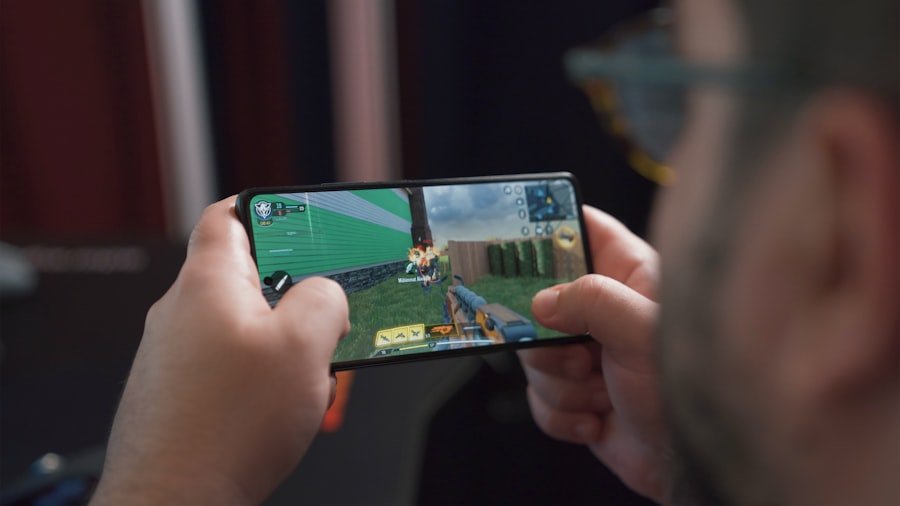
While VR and AR gaming are still finding their mainstream footing on mobile, the underlying technologies are starting to influence how we play even without dedicated headsets.
Enhanced Graphics and Visual Fidelity
Mobile hardware is constantly improving, allowing for increasingly stunning visuals. We’re seeing games with more detailed textures, realistic lighting, and complex animations. This doesn’t necessarily require new types of engagement, but it does make the overall experience more visually appealing and immersive. Developers are pushing the boundaries of what’s possible with mobile GPUs and CPUs.
Cloud Gaming on the Go
Cloud gaming services are making playable high-fidelity PC and console games accessible on mobile devices. This means you can stream demanding titles directly to your phone or tablet, bypassing the need for powerful local hardware. This trend is particularly exciting for players who want to experience AAA games without owning expensive consoles or gaming PCs. As internet speeds improve and data caps become less restrictive, this will become an even more significant player.
Haptic Feedback and Advanced Controls
The tactile feedback on modern smartphones is becoming more sophisticated. Beyond simple vibrations, devices can now provide nuanced haptic responses that can simulate different textures, impacts, and sensations. Developers are starting to leverage this to enhance gameplay, making actions feel more impactful and the game world more responsive. Think of the subtle rumble when you swing a sword or the distinct feedback when you hit a target.
As mobile gaming continues to evolve, staying updated on the latest trends is essential for developers and players alike. One interesting perspective on the gaming industry can be found in a related article that discusses the challenges of virtual reality headsets and their impact on gaming experiences. You can read more about it in this insightful piece on why some gamers are skeptical about VR technology and its future in the gaming landscape. For more details, check out the article here.
The Rise of Cross-Platform Play and Unified Experiences
| Year | Number of mobile gamers (in millions) | Top mobile game genres | Percentage of in-app purchases |
|---|---|---|---|
| 2018 | 2,200 | Action, Puzzle, Strategy | 80% |
| 2019 | 2,500 | Adventure, Simulation, Role-playing | 85% |
| 2020 | 3,000 | Sports, Racing, Card | 90% |
The lines between different gaming platforms are blurring, and mobile is increasingly at the center of this convergence.
Bridging the Gap Between Devices
Cross-platform play means that players on different devices – PC, console, and mobile – can play together in the same game. This is a massive boon for multiplayer games, as it drastically expands the player pool and reduces matchmaking times. Games that successfully implement cross-play often see a significant boost in longevity and community engagement.
Account Synchronization and Progression
Beyond just playing together, players expect their progress and purchases to follow them across devices. This means if you play a game on your mobile phone, you can pick up where you left off on your tablet or even PC, with all your unlocked items and achievements intact. This requires robust cloud saving and account management systems, but it’s becoming a table stake for many modern games.
Mobile as a Companion Device
Even if a game isn’t fully cross-platform, mobile devices are often used as companion apps. This could involve managing inventories, strategizing with friends, or accessing lore and world-building information while playing a game on another platform. This creates a more integrated and convenient gaming ecosystem.
The Future is Accessible and Engaging
Looking at these trends, the overarching theme is clear: mobile gaming is becoming more accessible, more social, and more deeply integrated into our digital lives. Developers are not just aiming for quick downloads and ad revenue; they’re building experiences that players want to engage with for the long haul.
AI-Powered Game Design and NPCs
Artificial intelligence is starting to play a bigger role in game development. This can manifest in various ways, from generating more dynamic game worlds and challenging opponents to creating more engaging and responsive non-player characters (NPCs). Imagine NPCs that learn from your playstyle and adapt their strategies, or game environments that procedurally generate content based on player actions. This has the potential to make games feel truly alive and unique to each player.
Personalization Through Machine Learning
Machine learning algorithms can analyze player data to personalize the gaming experience. This could mean adjusting difficulty on the fly, tailoring in-game events to individual player preferences, or even recommending new games that a player is likely to enjoy. This level of personalization can make games feel more engaging and less like a one-size-fits-all experience.
The Growing Importance of Accessibility Features
As mobile gaming reaches a wider audience than ever before, developers are increasingly focusing on accessibility. This includes features for players with disabilities, such as adjustable font sizes, colorblind modes, customizable control schemes, and audio cues for visual information. Creating games that everyone can enjoy is not just good ethics; it’s also smart business, as it opens up potential player bases significantly.
In conclusion, the mobile gaming landscape is a dynamic and exciting place. The trends we’re seeing point towards games that are more social, more visually impressive, and more player-friendly than ever before. Whether you’re a casual player looking for a quick distraction or a dedicated gamer seeking deep immersion, the future of mobile gaming promises something for everyone. It’s about making gaming more convenient, more connected, and, ultimately, more fun.