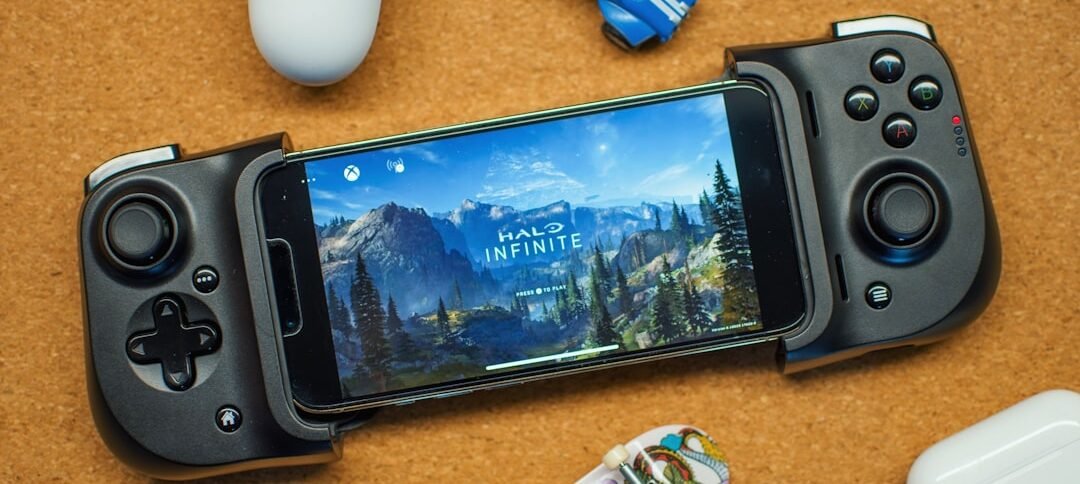

So, what’s cooking in the future of mobile gaming? In a nutshell, it’s all about more immersive experiences, deeper gameplay, and an even wider reach. Think beyond endless runners and match-three puzzles. We’re talking about games that leverage cutting-edge tech, blur the lines between platforms, and potentially change how we interact with our devices. It’s an exciting time to be a mobile gamer, whether you’re a casual swiper or a hardcore strategist.
The traditional app store model – download and play – has served us well, but it’s not the only show in town anymore. We’re seeing some interesting shifts that could change how we discover and access mobile games.
Streaming Game Services
Ever wish you could play a console-quality game on your phone without a massive download? Cloud gaming services are making that a reality. Think of it like Netflix for games.
The Rise of Subscription-Based Gaming
Services like Apple Arcade and Google Play Pass have already started this trend, offering a curated collection of premium games for a monthly fee. This bypasses the free-to-play monetization trap and encourages higher-quality experiences. Expect more of these, perhaps with even broader libraries and cross-platform capabilities. Imagine starting a game on your PC and seamlessly picking it up on your phone during your commute. The barrier to entry for trying new games drops significantly, as does the frustration of finding good ones amidst a sea of microtransaction-laden options.
Console-Quality Gaming on the Go
With services like Xbox Cloud Gaming and GeForce Now, you can stream powerful games directly to your phone. While latency is still a factor, ongoing improvements in network infrastructure (hello, 5G!) and better streaming tech will make this an increasingly viable option. This means your phone essentially becomes a portable screen for high-end games, opening up a whole new world of possibilities for mobile gamers who crave deeper, more graphically intensive experiences without buying expensive console hardware.
Web3 and Blockchain Gaming
This is a bit of a buzzword, but there are genuine innovations happening that could impact mobile gaming, particularly around ownership and player economies.
Play-to-Earn Mechanics and NFTs
It’s a hot topic, and not without its controversies. The idea here is that players can earn tangible value – cryptocurrencies or NFTs (non-fungible tokens) – by playing games. These NFTs could represent unique in-game items, characters, or even land. While many early implementations have been clunky or exploitative, the core idea of true digital ownership for players is compelling. Imagine owning a skin in a game and being able to sell it on a marketplace, or even transfer it to a different game. This empowers players in a way traditional gaming hasn’t.
Decentralized Game Development
Beyond just ownership, blockchain could enable more community-driven game development. Imagine a game where key decisions are voted on by token holders, or where community members can directly contribute assets and earn a share of the game’s success. This could lead to genuinely innovative and player-centric designs, moving away from closed-off development cycles. It’s early days, but the potential for truly player-owned and player-governed games is fascinating.
The mobile gaming industry continues to thrive, with innovative developments and trends shaping its future. For those interested in enhancing their gaming content, a related article on creating eye-catching visuals can be found here: How to Make YouTube Thumbnails for Free Online: 3 Sources. This resource provides valuable insights into designing thumbnails that can attract more viewers to gaming videos, ultimately contributing to the growth of the mobile gaming community.
Deeper Immersion: Beyond the Flat Screen
Mobile gaming has often been limited by the small screen and touch controls. But advances in technology are breaking these barriers down, creating more engaging and immersive experiences.
Augmented Reality (AR) Gaming
Remember Pokémon Go? That was just the tip of the iceberg. AR gaming superimposes virtual elements onto the real world, turning your surroundings into a playground.
Integrating Real-World Environments
Expect AR games to become much more sophisticated, using advanced computer vision to understand your environment in real-time. Imagine a strategy game where you place your virtual army on your actual living room floor, or a puzzle game that wraps around furniture. This blends the digital and physical in novel ways, offering experiences impossible on any other platform. Companies are investing heavily in AR tools, and as these tools get better, so will the AR games.
Enhanced Interactivity and Social Play
Future AR games will likely encourage more active movement and social interaction. Think multiplayer battles where you and your friends physically move around a park to capture virtual control points. The social aspect of AR gaming, where you share a blended reality with others, is a powerful draw that will be increasingly leveraged. It’s less about staring at a screen solo and more about shared physical experiences.
Haptic Feedback and Advanced Controls
Touchscreens are versatile, but they lack the tactile feedback of a physical controller. That’s changing.
More Nuanced Vibrations and Textures
Modern phones are incorporating more advanced haptic engines, capable of producing a wider range of vibrations, from subtle taps to rumbling effects. Imagine feeling the recoil of a virtual gun, the impact of a tackle, or the texture of a surface beneath your finger. This adds a crucial layer of sensory input that makes games feel more “real” and engaging. Developers are getting smarter about how to use these subtle cues to enhance the experience without being distracting.
External Peripherals and Specialized Controllers
While touchscreen controls are convenient, for certain genres like shooters or fighting games, a physical controller is still king. Expect to see more seamless integration of external Bluetooth controllers. Beyond that, specialized peripherals, perhaps those designed for specific AR games or even VR experiences (when phones are used as the screen), will become more common, offering a bridge for console-like precision or unique gameplay mechanics. This gives players the choice to optimize their experience based on the game they’re playing.
AI and Personalization: Tailoring the Experience
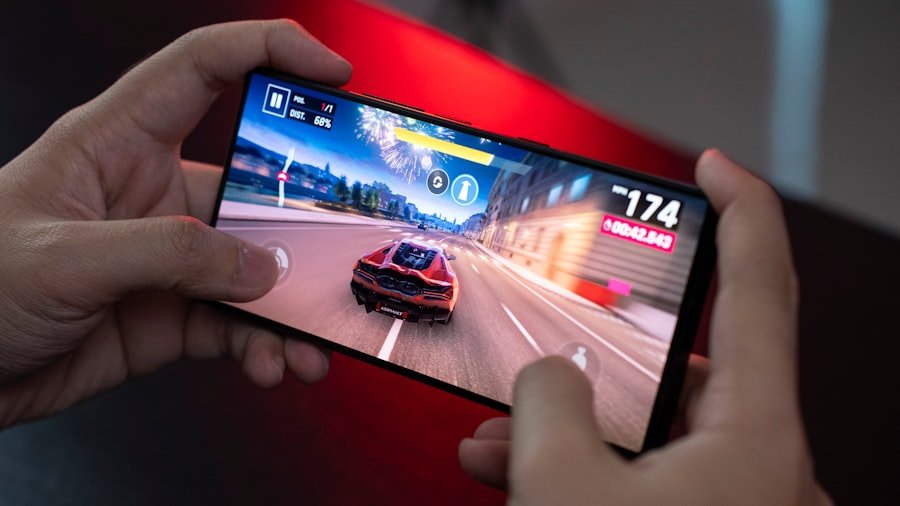
Artificial intelligence isn’t just for fancy sci-fi movies anymore; it’s increasingly integrated into our everyday tech, and mobile gaming is no exception. It’s set to make games smarter, more responsive, and uniquely tailored to your preferences.
Dynamic Game Worlds
Gone are the days of static levels. AI will power environments that react and evolve based on player actions and even external factors.
Procedural Generation on Steroids
While procedural generation has been around for a while (think Minecraft), AI can take it to the next level. Instead of just randomizing elements, AI could dynamically generate entire game worlds, quests, and storylines that adapt to your playstyle, previous choices, and skills. Imagine a game where the world literally rebuilds itself to challenge you in new ways, or where the narrative twists and turns based on your interactions with NPCs. This ensures replayability and a fresh experience every time.
Adapting to Player Skill and Preferences
AI can analyze your gameplay data – how you move, what strategies you employ, where you struggle – and adjust the game’s difficulty, enemy behavior, or even the type of content it presents. If you love puzzles, the game might generate more puzzle-centric side quests. If you’re struggling with a boss, the AI might subtly open up a new tactic or offer a helpful hint. This creates a much more personalised and less frustrating experience, keeping players engaged for longer.
Smarter NPCs and Storytelling
AI can breathe life into non-player characters and make narratives feel more dynamic and less scripted.
Lifelike Characters and Companions
Imagine NPCs that learn from your interactions, remember past conversations, and even develop unique personalities. Companions could offer genuinely helpful advice, react realistically to threats, or even challenge your decisions. This adds a tremendous amount of depth and immersion, making the game world feel more populated and vibrant. We’re moving beyond simple dialogue trees to characters that feel truly alive.
AI-Driven Narrative Branching
Instead of fixed storylines with limited choices, AI could enable incredibly complex and branching narratives. The story could dynamically adapt not just to your immediate choices, but to your overall playstyle, moral alignment, or even your reputation within the game world. This means that two players could have fundamentally different experiences in the same game, leading to richer discussions and a sense of true agency.
Hardware Evolution: Powering the Future
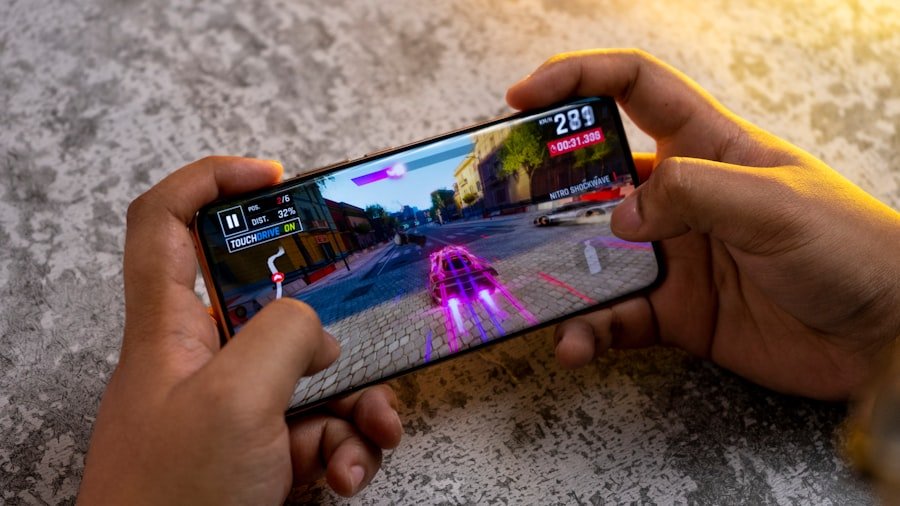
None of these exciting new features would be possible without the continued rapid advancement of mobile hardware. Our phones and tablets are becoming miniature supercomputers, enabling experiences that would have been impossible just a few years ago.
More Powerful Processors and GPUs
Every year, smartphone chips get faster and more efficient. This isn’t just about quicker loading times; it’s about enabling entirely new levels of visual fidelity and complex game mechanics.
Console-Level Graphics and Performance
The gap between mobile graphics and console graphics is shrinking year by year. With mobile chips now sporting dedicated ray tracing cores and incredibly powerful GPUs, we’re seeing games that look stunning on a phone screen. This allows for detailed environments, realistic lighting, and smooth frame rates, pushing mobile gaming closer and closer to what we expect from dedicated gaming machines. This means less compromise on visual quality for gamers on the go.
Efficient Power Management for Extended Play
While power is crucial, so is battery life. Mobile chip manufacturers are constantly improving power efficiency, meaning these graphically intense games can run for longer without completely draining your battery. This balance is key to making “console-level” mobile gaming a practical reality outside of short bursts. No one wants a dead phone an hour into their commute.
Displays and Audio: A Feast for the Senses
The visual and auditory experience is paramount to immersion, and mobile displays and audio tech are also making huge strides.
High Refresh Rate and OLED Screens
High refresh rate screens (like 90Hz or 120Hz) make games feel incredibly smooth and responsive, which is a massive advantage in fast-paced action games. Combined with vibrant OLED displays, which offer perfect blacks and stunning contrast, mobile games are looking better than ever. These displays not only make games more enjoyable but can also provide a competitive edge in certain genres.
Spatial Audio and Enhanced Speakers
While headphones will always offer the best audio experience, phone speakers are getting better. More importantly, advancements in spatial audio technologies (like Dolby Atmos) create a more immersive soundstage, even with smaller speakers or standard headphones. This can help players pinpoint enemy locations, or simply become more enveloped in the game’s atmosphere. Good audio is often overlooked, but it’s a huge part of immersion.
The mobile gaming industry continues to thrive, with innovative technologies and engaging gameplay attracting millions of players worldwide. As developers explore new monetization strategies, understanding the broader landscape of online marketing becomes essential. For insights on how to effectively generate revenue in the digital space, you can refer to this informative article on making money online as an online marketer. This knowledge can be invaluable for those looking to enhance their mobile gaming ventures and reach a wider audience.
Accessibility and Inclusivity: Gaming for Everyone
| Metrics | Data |
|---|---|
| Number of mobile gamers worldwide | 2.5 billion |
| Global mobile gaming market revenue | 77.2 billion |
| Top mobile gaming genre | Puzzle/strategy |
| Percentage of mobile gamers who make in-app purchases | 49% |
| Number of mobile gaming apps available | over 800,000 |
The mobile platform, by its very nature, is incredibly widespread. The future of mobile gaming will lean into this global reach by becoming more accessible and inclusive for a diverse audience.
Adaptive Controls and Input Options
Not everyone can use a touchscreen comfortably, or even sees the screen in the same way. Future mobile games will be designed with a wider range of players in mind.
Customizable UI and Text Scaling
Simple things like being able to resize text, adjust UI elements, and choose different colour palettes can make a massive difference for players with visual impairments or simply those who prefer a cleaner interface. Expect these options to be built-in from the ground up, rather than being afterthoughts. This ensures that the game is readable and usable by more people.
Voice Control and Assistive Technologies
Voice commands could become a primary input method for certain games or aspects of games, offering an alternative to touch for those with motor difficulties. Integration with existing assistive technologies on mobile devices will also be key, ensuring players can use their preferred tools to interact with games. This opens up gaming to a demographic that might have been excluded in the past.
Globalized Content and Localization
Mobile gaming’s global reach means catering to diverse cultures and languages.
Multilingual Support and Cultural Sensitivity
Beyond just translating text, future mobile games will likely put more effort into truly localizing content, ensuring that jokes land, cultural references are understood, and sensitivities are respected. This means a deeper integration of localization teams during the development process, creating games that genuinely resonate with players in different regions. It’s about more than just words; it’s about context.
Diverse Representation in Characters and Stories
As mobile gaming becomes more ubiquitous, there’s a growing expectation for diverse representation in game characters, stories, and themes. This means moving beyond common tropes and creating characters that reflect the global player base. This inclusivity not only broadens appeal but also enriches the narrative possibilities within games. Everyone deserves to see themselves reflected in the stories they consume.
In conclusion, the future of mobile gaming is incredibly bright and full of potential. From how we access games to the experiences they offer, and the hardware that powers them, we’re on the cusp of a significant transformation. It’s about more immersive, personalized, and universally accessible experiences that redefine what it means to game on the go. Get ready for an exciting ride!