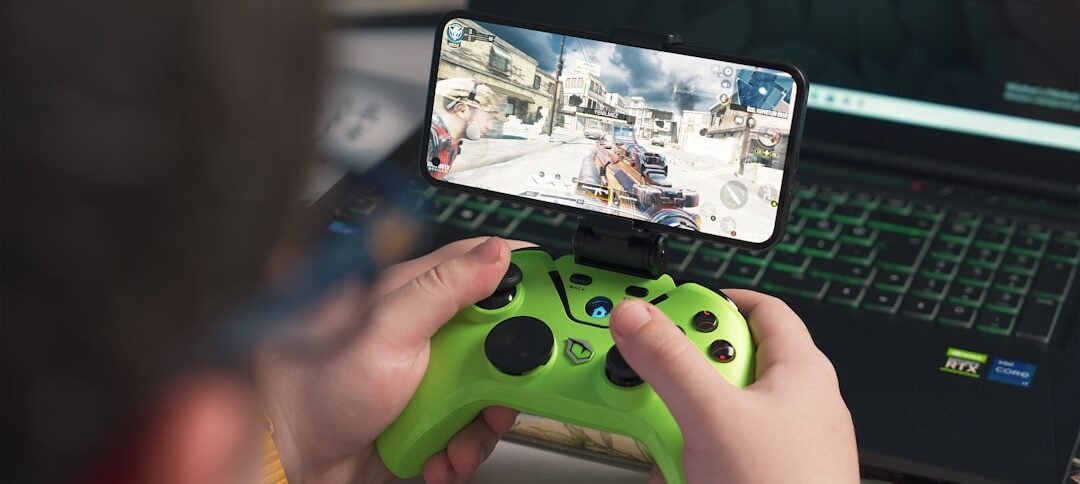

Is staring at your phone for hours a normal thing these days, or is it a problem? When it comes to mobile games, it crosses the line into addiction more often than we might realize. This isn’t just about spending a lot of time playing; it’s about a pattern of behavior that genuinely negatively impacts your life, your relationships, and your well-being. It’s a growing concern because these games are designed to be incredibly engaging, and for some, that engagement turns into a dependency that’s hard to break.
It’s not by accident that mobile games hook us so effectively. There’s a lot of clever psychology and design work that goes into making them incredibly sticky.
Instant Gratification and Rewards
One of the biggest draws is the immediate feedback loop. You perform an action, and you often get a reward right away – coins, points, a level up, or an item. This taps into our brain’s reward system, releasing dopamine, which feels good and makes us want to repeat the action. This cycle is incredibly powerful and can quickly become a habit.
- Variable Reward Schedules: Think about opening loot boxes or spinning a prize wheel. You don’t always get the best prize, but the possibility of a great prize keeps you coming back. This unpredictable nature makes it even more compelling than a predictable reward. It’s the same psychological principle that powers slot machines.
- Short Play Sessions: Many mobile games are designed for quick bursts of play – a few minutes while waiting for a bus, during a commercial break, or before bed. These short, digestible sessions make it easy to pick up and hard to put down, as you can always squeeze in ‘just one more round.’
Social Elements and Competition
Humans are social creatures, and mobile games often leverage this. Playing with or against friends adds a whole new layer of engagement.
- Leaderboards and Rankings: Seeing your name climb the ranks, or trying to beat your friends’ scores, can be a huge motivator. It creates a sense of competition and achievement that’s very satisfying.
- Guilds and Clans: Many games feature social groups where players cooperate to achieve goals. This fosters a sense of belonging and responsibility. If your guild needs you for a raid or a team event, you feel obliged to show up, even if you’d rather be doing something else.
- Multiplayer Interaction: Real-time multiplayer games, like battle royales or MOBAs, demand constant attention and coordination with others. The dynamic nature and interaction with other human players make each session unique and exciting.
Psychological Hooks and Progression Systems
Beyond immediate rewards, games are built with deeper psychological tricks to keep us invested.
- The Fear of Missing Out (FOMO): Limited-time events, daily bonuses, and exclusive items are all designed to make you feel like if you don’t play now, you’ll miss out on something valuable or fun. This creates urgency and forces consistent engagement.
- Investment and Sunk Cost Fallacy: The more time, effort, and even money you put into a game, the harder it is to walk away. You’ve unlocked characters, upgraded gear, spent hours grinding – quitting feels like a waste of all that investment. This “sunk cost” keeps people playing long after the initial enjoyment might have faded.
- Mastery and Skill Progression: As you play, you get better, unlock new abilities, and tackle more challenging content. This sense of continuous improvement and the pursuit of mastery is inherently rewarding and keeps players striving for more.
Mobile game addiction has become a growing concern in today’s digital age, affecting individuals of all ages and leading to various negative consequences. For those interested in exploring this topic further, a related article can provide valuable insights into the broader implications of technology on our lives. You can read more about generating content ideas and understanding the impact of digital engagement in this comprehensive guide at The Complete Guide to Generate Unlimited Content Ideas.
Recognizing the Signs of Mobile Game Addiction
It’s one thing to enjoy games and another for that enjoyment to turn into an unhealthy dependency. Recognizing the signs is the first step towards addressing the issue.
Loss of Control Over Gaming Time
A key indicator is when you find yourself playing for longer than intended, or you try to cut back but can’t.
- Extended Play Sessions: What started as a quick 15-minute game turns into an hour, then two, and suddenly it’s 3 AM. You might even ignore alarms or other commitments to keep playing.
- Failed Attempts to Reduce Play: You tell yourself, “I’ll only play for 30 minutes today,” but you repeatedly fail to stick to that limit. This inability to self-regulate is a major red flag.
Neglecting Responsibilities
When gaming starts to take precedence over important aspects of your life, it’s a serious problem.
- Work/School Performance Suffers: Grades drop, deadlines are missed, or work quality deteriorates because gaming takes up time and mental energy that should be dedicated elsewhere.
- Ignoring Chores and Duties: Household tasks, personal hygiene, and other daily responsibilities get neglected in favor of more game time.
- Financial Strain: Spending an excessive amount of money on in-game purchases (loot boxes, currency, skins) can lead to financial problems, especially if it impacts essential expenses.
Social and Emotional Impact
Addiction doesn’t just affect the individual; it ripples out and impacts relationships and overall mental health.
- Withdrawal from Social Life: You stop spending time with friends and family, isolating yourself to game. Even when you are with others, your mind might be on the game or you might be actively playing on your phone.
- Irritability and Mood Swings: When you can’t play, or you’re interrupted during a game, you might become irritable, anxious, or angry. These mood changes are often disproportionate to the situation.
- Deception and Secrecy: You might hide the extent of your gaming from loved ones, lie about how much time you spend playing, or sneak in game time when no one is watching.
- Persistent Thoughts About Gaming: Even when not playing, you find yourself constantly thinking about the game – planning your next move, strategizing, or looking forward to your next session.
The Broader Impact: More Than Just “Wasted Time”

Mobile game addiction isn’t just about wasting a few hours. It can have significant, long-lasting repercussions on various aspects of a person’s life.
Physical Health Consequences
Sitting for long periods and intense screen time can take a toll on the body.
- Eye Strain and Headaches: Staring at a small screen for hours leads to digital eye strain, dry eyes, and often headaches.
- Poor Posture and Repetitive Strain Injuries: “Gamer’s thumb,” neck pain, and back issues are common due to poor posture and repetitive hand movements.
- Sleep Deprivation: Gaming late into the night disrupts natural sleep cycles, leading to fatigue, reduced concentration, and overall poor health. The blue light from screens also interferes with melatonin production.
- Neglect of Personal Hygiene and Nutrition: In severe cases, basic self-care like showering, eating regular meals, or exercising can be overlooked.
Mental Health Challenges
The psychological toll can be profound, often exacerbating existing issues or creating new ones.
- Increased Anxiety and Depression: While gaming might temporarily relieve stress, chronic excessive gaming can lead to depression, anxiety, and feelings of emptiness when not playing. The intense highs and lows of gaming can also contribute to mood instability.
- Reduced Attention Span: Constant switching between tasks and the fast-paced nature of many games can make it harder to focus on real-world tasks that require sustained attention.
- Lower Self-Esteem: If gaming is used as an escape from real-world problems, it can prevent individuals from developing coping mechanisms and confronting challenges, ultimately lowering self-efficacy and self-esteem.
- Aggression and Irritability: Particularly in competitive games, the frustration of losing or dealing with toxic players can spill over into real-world interactions, leading to increased aggression and irritability.
Damaged Relationships
Relationships often bear the brunt of addiction, as the individual prioritizes gaming over human connection.
- Family Conflicts: Arguments with parents, siblings, or partners about game time, neglected responsibilities, or financial issues related to gaming become frequent.
- Social Isolation: Friendships outside of the gaming world may fizzle out as the individual becomes less available and less engaged in real-life social activities.
- Erosion of Trust: Lying about game time or hiding purchases can break down trust with loved ones, making genuine connection difficult.
Strategies for Managing Mobile Game Use
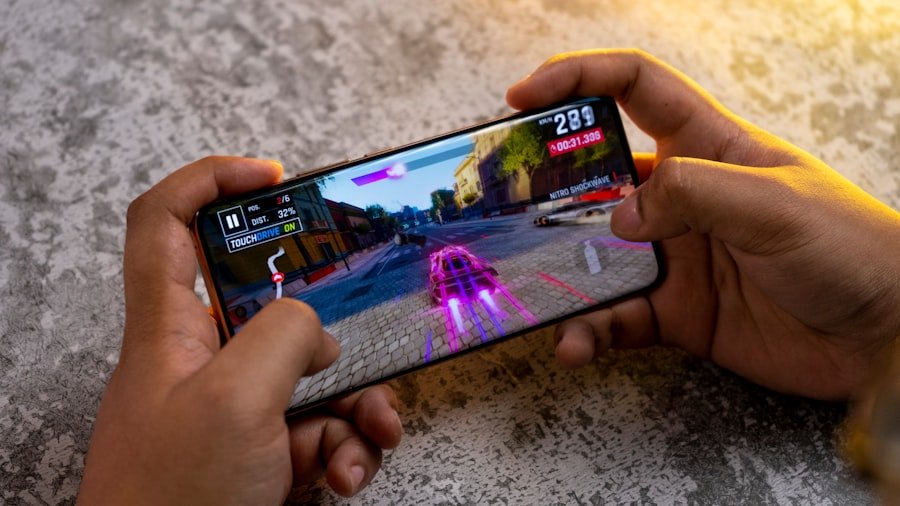
If you or someone you know is struggling, there are practical steps you can take to regain control. It’s about moderation, not necessarily complete abstinence for everyone.
Setting Clear Boundaries
Defining when and how you play is crucial.
- Establish Time Limits: Use app timers or set alarms to limit your daily or weekly play time. Stick to them, even if you’re in the middle of a game. Many smartphones have built-in “digital well-being” tools that can help with this.
- Designate “No-Phone” Zones/Times: Make meal times, family time, or specific hours before bed phone-free zones. This not only reduces game time but also encourages real-world interaction and better sleep hygiene.
- Schedule Other Activities: Actively plan non-gaming activities – exercise, hobbies, social outings. This fills the void gaming might leave and creates alternatives.
Utilizing Technology Wisely
Your phone – the source of the problem – can also be part of the solution.
- App Blockers and Website Filters: Install apps that block access to games or distracting websites after a certain time or for a set duration.
- Turn Off Notifications: Those constant pings for daily bonuses or new events are designed to pull you back in. Turn off all game-related notifications to reduce temptation.
- Delete Tempting Apps: If a particular game is a major trigger, consider deleting it from your device, especially during a detox period. You can always reinstall it later if you manage to establish healthier habits.
Seeking External Support
Sometimes, you can’t do it alone, and that’s perfectly okay.
- Talk to Trusted Friends/Family: Open up about your struggles. Having an accountability partner or just someone who understands and encourages you can make a huge difference.
- Join Support Groups: Online or in-person groups for internet or gaming addiction can provide a safe space to share experiences and learn coping strategies from others facing similar challenges.
- Professional Help: If the addiction is severe and significantly impacting your life, consulting a therapist or counselor specializing in behavioral addictions is highly recommended. They can help identify underlying issues and develop personalized strategies. Cognitive Behavioral Therapy (CBT) is often effective for addiction.
Mobile game addiction has become a growing concern in today’s digital age, as many individuals find themselves spending excessive hours glued to their screens. This phenomenon not only affects mental health but also impacts social interactions and daily responsibilities. For those interested in exploring the broader implications of technology on our lives, a related article discusses the challenges posed by smartphone usage and offers insights into why some people have developed a strong aversion to certain brands. You can read more about this perspective in the article here.
The Role of Game Developers and Platforms
| Metrics | Data |
|---|---|
| Percentage of mobile users addicted to games | 23% |
| Average daily time spent on mobile games | 2.5 hours |
| Number of reported cases of mobile game addiction | 1,500,000 |
| Percentage of mobile game addicts seeking professional help | 35% |
It’s not just on the individual; the industry itself has a role to play in promoting healthier gaming habits.
Ethical Game Design
There’s a fine line between engaging design and manipulative design.
- Transparency in Monetization: Clearly indicating odds for loot boxes and making in-game purchases obvious and intentional, rather than subtle and coercive.
- Built-in Self-Regulation Tools: Game developers could integrate features that notify players of their play time, encourage breaks, or allow players to set their own daily limits within the game itself.
- Reducing “Dark Patterns”: Avoiding design choices that trick players into playing more or spending more money than they intend, such as misleading timers, confusing interfaces for purchases, or excessively grindy mechanics designed to push microtransactions.
Parental Controls and Educational Initiatives
For younger players, guidance and education are key.
- Robust Parental Control Features: Platforms and devices can offer better tools for parents to monitor, limit, and manage their children’s game time and in-app purchases.
- Educating Parents and Players: Campaigns that inform both parents and children about the risks of excessive gaming, how to recognize addiction, and where to find help. This includes promoting critical thinking about game design and monetization strategies.
- Age-Appropriate Content and Mechanics: Ensuring games are designed with age in mind, not just for content but also for addictive mechanics. Younger brains are more susceptible to these psychological hooks.
Mobile game addiction is a complex issue, but it’s not insurmountable. By understanding the mechanisms that make these games so captivating, recognizing the warning signs, and implementing practical strategies, we can navigate the digital world more effectively and ensure that gaming remains a source of entertainment, not a source of distress.