

Turns out, maximizing fun on your phone isn’t just about scrolling endlessly. Mobile games have quietly become this huge, evolving entertainment landscape, offering everything from quick brain breaks to deeply immersive experiences. If you’re wondering how they’ve gotten so good and what that means for simply having a good time, you’ve come to the right place.
Remember when mobile games were mostly those pixelated Snake variants or clunky puzzle apps? Those days are long gone. The power in our pockets has transformed phones into miniature gaming consoles, capable of delivering stunning graphics and complex gameplay. This isn’t some niche hobby anymore; it’s a dominant form of entertainment for billions.
From Novelty to Necessity
It’s easy to talk about the “rise” of mobile games, but it’s worth thinking about why they rose. It wasn’t just good marketing. It was a perfect storm of technological advancement and a societal shift towards on-demand entertainment. Our smartphones are always with us, making them the ultimate portable gaming device.
- Ubiquitous Access: Your phone is likely within arm’s reach right now. This constant availability means you can squeeze in a few minutes of gaming during a commute, a waiting room, or even just a short break.
- Technological Leap: Mobile processors, graphics capabilities, and screen resolutions have improved exponentially. Compare a smartphone from ten years ago to one today – the difference in what they can render is astronomical.
- Diverse Consumption Habits: We’ve become accustomed to consuming entertainment in shorter bursts. Mobile games are perfectly suited for this, catering to both quick pick-up-and-play sessions and longer, more dedicated playtimes.
A Market Unlike Any Other
The sheer scale of the mobile gaming market is mind-boggling. It’s not just about the number of games; it’s about the sheer number of people playing them daily. This scale has driven innovation and specialization in ways that console and PC gaming haven’t always been able to match.
- Global Reach: Mobile games transcend language barriers and cultural divides more easily than many other forms of media. This allows for truly global phenomena to emerge.
- Accessibility: For many, a smartphone is their primary or only computing device, and therefore their only gateway to gaming. This democratizes access to interactive entertainment.
- Rapid Iteration: The feedback loop between developers and players is incredibly fast in the mobile space. This allows for quick updates, bug fixes, and new content, keeping games fresh and engaging.
Mobile games have become an essential part of entertainment for digital nomads, allowing them to unwind and connect with others while on the move. If you’re interested in exploring tools that can enhance your experience as a digital nomad, you might find this article on the surprising best tools for digital nomads insightful. Check it out here: Surprising Best Tools for Digital Nomads You Need to Know.
What’s Actually “Fun” in Mobile Gaming?
So, what makes a mobile game fun? It’s not a single ingredient. It’s a blend of accessibility, challenge, social interaction, and that satisfying sense of progression. The best mobile games tap into fundamental human desires for achievement, mastery, and connection.
The Appeal of Quick Fixes
One of the biggest draws of mobile gaming, especially for busy people, is the ability to get a fun experience in just a few minutes. These aren’t always the most complex games, but they hit the spot.
- Instant Gratification: Many mobile games are designed for immediate play. You download, you tap, you play. No lengthy tutorials or complex setups are required.
- Brain Breaks: A quick match of a puzzle game or a short session of an arcade-style game can be a fantastic way to clear your head and refocus. It’s a mental reset button.
- Low Commitment: You can jump in and out of these games without feeling like you’re losing your place or missing out on crucial story progression. This freedom is incredibly liberating.
- Satisfying Loops: Simple but addictive gameplay loops – collect this, match that, avoid that – provide a constant sense of accomplishment, even if it’s small.
The Depth of Strategy and Story
But fun on mobile isn’t just about quick bursts. Many mobile games offer experiences with significant depth, rivaling their console counterparts. These titles challenge your intellect and immerse you in compelling narratives.
- Strategic Puzzles: Games that require foresight, planning, and pattern recognition can be incredibly rewarding. Think brain-bending logic puzzles or intricate strategy games.
- Immersive Narratives: For those who enjoy a good story, mobile gaming has delivered. RPGs, adventure games, and visual novels can offer rich plotlines and engaging characters.
- Resource Management: Many simulation and strategy games involve complex systems of resource management, building, and planning. Mastering these systems and seeing your creations flourish provides a deep sense of satisfaction.
- Skill-Based Challenges: Games that rely on reflexes, precision, and strategic decision-making under pressure offer a different kind of fun – the thrill of overcoming a difficult challenge through skill.
Social Connections and Competition
The “social” aspect of gaming has always been a big draw, and mobile games have amplified this in unique ways. Whether playing with friends or strangers, connection adds another layer to the fun.
- Cooperative Play: Working with others towards a common goal can be incredibly fun and rewarding. Guilds, raids, and team-based challenges foster a sense of camaraderie.
- Competitive Arenas: Testing your skills against other players worldwide in real-time is a thrill for many. Leaderboards, ranked matches, and esports potential keep the competitive spirit alive.
- Casual Multiplayer: Even simple multiplayer games, like cooperative building or competitive mini-games, can be a great way to connect with friends without needing to be in the same room.
- Community Building: Many games foster communities where players share tips, strategies, and build friendships. This sense of belonging can significantly enhance the overall gaming experience.
Mechanics That Keep You Hooked
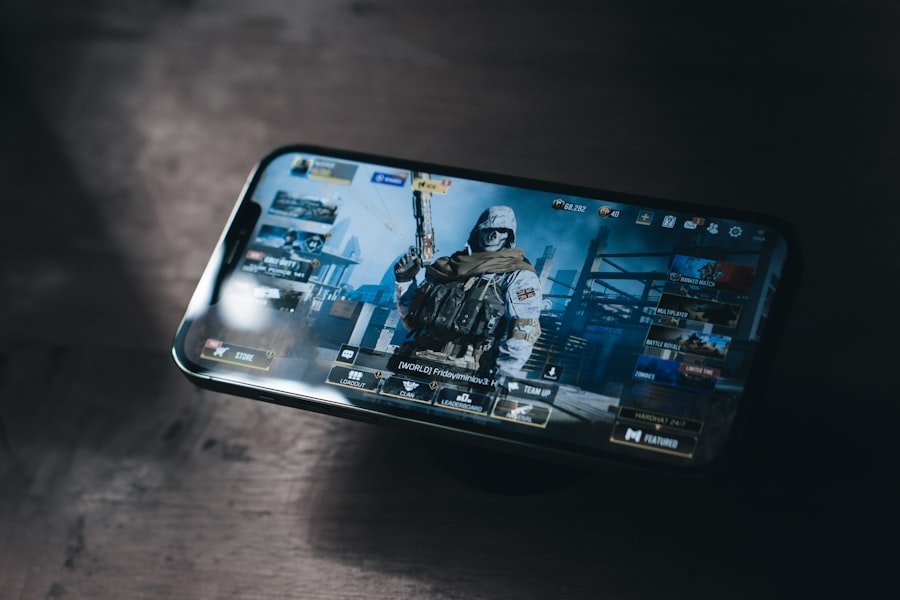
It’s not enough to just have players; great mobile games are designed to keep them engaged. This involves clever use of mechanics that create a satisfying loop of challenge, reward, and progression.
The Power of Progression Systems
One of the most significant drivers of engagement in mobile games is the feeling of getting stronger, advancing, or unlocking new things. This sense of forward momentum is crucial.
- Leveling Up: A classic, but effective, system. Gaining experience points and seeing your character or abilities improve is inherently satisfying.
- Unlocking New Content: This could be new characters, new levels, new abilities, or even new game modes. The anticipation and reward of unlocking are powerful motivators.
- Collecting and Customization: Whether it’s acquiring rare items, cosmetic skins, or upgrades, the act of collecting and personalizing your experience provides a sense of ownership and achievement.
- Skill Trees and Upgrades: Investing in specific skills or upgrading existing abilities allows players to tailor their playstyle and feel a sense of strategic growth.
Managing Time and Resources
Many successful mobile games incorporate elements of time management and resource allocation as core gameplay loops. This adds a layer of strategic thinking to even simpler games.
- Energy Systems: While sometimes controversial, energy systems in some games are designed to create natural breaks and encourage players to return. The challenge lies in managing your limited energy efficiently.
- Building and Crafting: Games that involve constructing bases, crafting items, or managing virtual economies create a sense of long-term investment and accomplishment.
- Daily Quests and Rewards: These are designed to bring players back regularly by offering consistent, achievable goals and rewards. They provide structure and a sense of daily accomplishment.
- Strategic Trade-offs: Often, players have to make tough decisions about how to allocate limited resources or time. This adds complexity and replayability.
The Role of Surprises and Randomness
While predictable progression is good, a bit of surprise can also keep things interesting. Carefully implemented randomness can add excitement without feeling unfair.
- Loot Boxes and Gachas: These systems – when implemented fairly and transparently – can provide exciting moments of discovery and the chance to acquire rare items.
- Procedural Generation: Games that generate levels or content on the fly offer endless replayability and a fresh challenge each time.
- Event-Driven Content: Limited-time events, special challenges, and seasonal content can create a sense of urgency and excitement, encouraging players to log in and participate.
- Unexpected Encounters: In exploration or combat-focused games, encountering unique enemies, rare items, or unexpected events can add a thrill.
Monetization: The Double-Edged Sword of Free-to-Play

A significant portion of the mobile gaming landscape is dominated by the Free-to-Play (F2P) model. This approach has made gaming more accessible than ever, but it also comes with its own set of challenges and controversies. Understanding how F2P works is key to navigating the mobile gaming world.
Free to Start, But What Comes Next?
The appeal of “free” is undeniable. You can download and try thousands of games without spending a dime. This has opened the floodgates for millions of new players.
- Low Barrier to Entry: Anyone with a smartphone can access a vast library of games, removing the upfront cost that was a barrier in traditional gaming.
- Trial and Error: Players can experiment with different genres and games without financial commitment, discovering new favorites they might never have otherwise found.
- Community Growth: The F2P model has fostered massive communities around games, as it allows a much larger player base to participate.
How Developers Keep the Lights On
To sustain development and offer their games for free, developers rely on various monetization strategies. It’s a delicate balance between making money and keeping players happy.
- In-App Purchases (IAPs): This is the most common method, where players can buy virtual currency, items, boosts, or cosmetic upgrades.
- Advertisements: Many free games incorporate rewarded video ads (where players watch an ad for a small in-game bonus) or interstitial ads (ads that appear between gameplay).
- Battle Passes and Subscriptions: These models offer ongoing value and content unlocks for a recurring fee, providing a consistent revenue stream.
- Cosmetic Items: Focusing monetization on visual enhancements that don’t affect gameplay allows players to personalize their experience without creating a “pay-to-win” scenario.
Navigating the Pitfalls: “Pay-to-Win” and Player Frustration
While F2P has democratized gaming, some implementations can lead to player frustration. The goal for developers is to monetize without alienating their most dedicated players.
- “Pay-to-Win” Concerns: When players can gain significant gameplay advantages solely through spending money, it can undermine the sense of fair competition and skill-based play.
- Grind Walls: Some games intentionally make progression extremely slow or difficult without spending money, encouraging players to pay to bypass the “grind.”
- Predatory Practices: Certain monetization tactics can be seen as exploiting players, especially younger ones, leading to excessive spending.
- Balancing the Ecosystem: Developers constantly work to balance the game economy, ensuring that free players can still enjoy the game and progress, while paying players feel their purchases are valuable.
Mobile games have become a significant part of the entertainment industry, attracting millions of players worldwide and creating numerous opportunities for developers. As the market continues to grow, many are exploring ways to monetize their gaming creations effectively. If you’re interested in learning more about making money online, you might find this article on online marketing strategies helpful. It provides insights that can be applied to various digital ventures, including mobile game development. For more information, check out this resource.
The Future of Mobile Fun: What’s Next?
“`html
| Game Title | Downloads | Rating |
|---|---|---|
| Pokemon Go | 1 billion | 4.1 |
| Candy Crush Saga | 2.7 billion | 4.6 |
| Clash of Clans | 500 million | 4.5 |
“`
The mobile gaming landscape is far from static. It’s a dynamic space constantly being reshaped by new technologies, changing player preferences, and innovative design.
Advancements in Technology
The hardware in our phones is only getting more powerful, and this opens up exciting possibilities for what games can deliver.
- Console-Quality Graphics: As mobile GPUs become more sophisticated, we’re seeing games with visual fidelity that rivals older-generation consoles, offering truly immersive experiences.
- Augmented Reality (AR) and Virtual Reality (VR) Integration: While still nascent, AR is already integrated into some games, and as VR technology becomes more accessible and mobile-friendly, we can expect more innovative AR/VR gaming experiences.
- Cloud Gaming: The ability to stream high-end games directly to your phone, running them on powerful servers, is becoming more viable, blurring the lines between mobile and traditional gaming.
- Smarter AI: More sophisticated AI will lead to more challenging and adaptable opponents and more dynamic gameplay scenarios.
Evolving Player Expectations
Players are more sophisticated and demanding than ever before. What they look for in a mobile game is also evolving.
- Deeper Engagement: Players are looking for more than just casual diversions. They want games with compelling narratives, long-term goals, and a sense of persistent progress.
- Cross-Platform Play: The ability to seamlessly switch between playing on your phone, tablet, or PC, and to play with friends regardless of their device, is becoming increasingly important.
- Meaningful Social Features: Beyond just multiplayer modes, players want robust social tools, community features, and opportunities for collaboration and genuine connection.
- Ethical Monetization: As players become more aware of monetization strategies, there’s a growing demand for transparent, fair, and player-friendly business models.
The Blurring Lines of Entertainment
Mobile gaming is no longer an isolated activity. It’s increasingly integrated into the broader entertainment ecosystem.
- Esports and Streaming: Dedicated mobile esports leagues are growing, and top mobile streamers command massive audiences, further legitimizing mobile gaming as a competitive and spectator sport.
- Narrative-Driven Experiences: Expect more mobile games to push the boundaries of storytelling, offering cinematic experiences and complex narratives that rival those found in other media.
- Metaverse and Persistent Worlds: As the concept of the metaverse evolves, mobile devices will likely play a crucial role in accessing and interacting with these persistent digital worlds.
- Integration with Other Media: We might see more games that tie into movies, TV shows, or music, creating richer, interconnected entertainment experiences.
Ultimately, the rise of mobile games is about more than just pixels on a screen. It’s about making fun accessible, diverse, and deeply integrated into our modern lives. Whether you’re looking for a quick distraction or a sprawling adventure, your phone is likely packed with more fun than you realize.