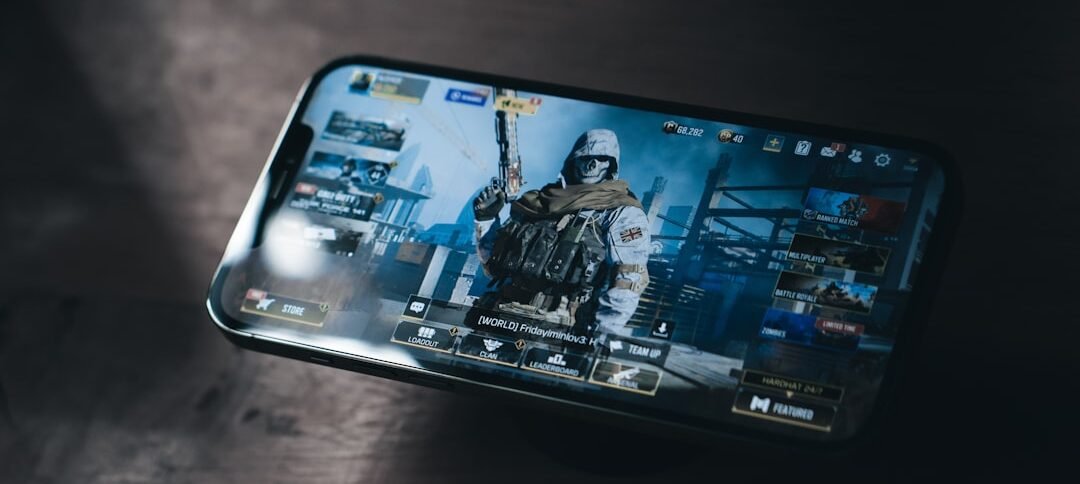

The future of mobile game development is looking pretty exciting, and it’s all about making games that feel more immersive, accessible, and connected than ever before. Forget clunky interfaces and simple tap-to-play; we’re heading towards experiences that blur the lines between playing on your phone and interacting with a much larger digital or even physical world.
Mobile gaming has come a long way from Snake. Today, your phone is a powerful portal to incredibly rich and engaging worlds. The focus is shifting towards making these experiences feel less like a separate activity and more like an extension of our lives.
Cloud Gaming’s Mobile Takeover
The biggest game-changer? Cloud gaming. If you haven’t heard of it, imagine playing console-quality games like Cyberpunk 2077 or Red Dead Redemption 2 right on your phone, without needing a beefy gaming PC or an expensive console.
- How it Works: Instead of your phone doing all the heavy lifting, the game runs on powerful servers far away. Your phone simply streams the video and sends your inputs back. Think of it like watching a high-definition movie, but you’re actively controlling the action.
- Why it Matters for Mobile: This technology unlocks a vast library of AAA games for mobile devices. Suddenly, your phone isn’t limited to games designed specifically for its hardware. You can access the latest, most graphically intense titles.
- The Infrastructure: Services like Xbox Cloud Gaming, GeForce NOW, and PlayStation Remote Play are already making this a reality. As internet speeds get faster and more reliable worldwide, this will only become smoother and more widespread.
Enhanced Graphics and Performance
Even for games developed for mobile, expectations for visuals and performance are skyrocketing.
- Leveraging Mobile Hardware: Modern smartphones boast incredible processing power, advanced GPUs, and high refresh rate displays. Developers are pushing these limits to create graphics that rival traditional consoles.
- AI-Assisted Development: Artificial intelligence is starting to play a role in streamlining development by assisting with tasks like texture generation, character animation, and even level design. This allows for more complex and detailed worlds to be built faster.
- Realism and Detail: Expect to see more realistic lighting, intricate environmental details, and lifelike character models. The line between real and virtual continues to blur, even on a small screen.
The Power of haptics, AR, and VR
Beyond just visuals, developers are exploring new ways to make mobile games more tactile and immersive.
- Advanced Haptic Feedback: It’s not just about rumbling anymore. Think nuanced vibrations that mimic the feel of different surfaces, the impact of a weapon, or the subtle thrum of an engine. This adds a whole new layer of sensory engagement.
- Augmented Reality (AR) Goes Mainstream: We’ve seen early examples with Pokémon GO, but AR is poised to become much more sophisticated. Imagine games where characters interact with your real-world environment, or puzzles that require you to scan objects around you.
- Virtual Reality (VR) on Mobile: While dedicated VR headsets are still evolving, there’s potential for VR experiences to become more accessible through mobile. This could involve more advanced mobile-based VR devices or even bridging the gap between phone-based AR and VR.
For those interested in the intricacies of mobile game development, understanding the underlying operating systems can be crucial. A related article that delves into the Linux operating system and its applications in various fields, including game development, can be found here: Linux Operating System. This resource provides valuable insights that can enhance your knowledge and skills in creating mobile games.
Bridging the Platforms: Cross-Play and Cross-Progression
One of the most significant shifts in mobile gaming is its integration with other gaming platforms. The days of mobile games being their own isolated silo are fading.
Seamless Cross-Play Experiences
The idea that you can play with or against your friends regardless of what device they’re using is a huge draw.
- Breaking Down Device Barriers: Whether your friend is on a PC, a PlayStation, an Xbox, or their iPhone, cross-play aims to bring everyone together in the same game.
- Expanding Player Bases: This is a win-win. Developers can reach a larger audience, and players always have someone to play with, no matter their preferred hardware.
- Technical Hurdles: Implementing true cross-play isn’t always simple. It requires coordination between different platform holders, standardized input methods, and careful balancing to ensure fairness across diverse control schemes.
Consistent Progression Across Devices
Having to start over on a different platform is a major frustration. Cross-progression aims to eliminate that.
- Your Progress, Everywhere: This means your in-game items, unlocked achievements, and character levels are saved and accessible no matter if you’re playing on your phone on the bus or on your console at home.
- Cloud-Based Saves: The backbone of cross-progression is robust cloud saving. Your game data is stored online, ready to be accessed from any compatible device.
- Developer Responsibility: Developers need to invest in creating sophisticated backend systems that can manage and sync player data across multiple platforms reliably.
The Rise of “Play Anywhere” Models
This integration is leading to a new paradigm where games are no longer tied to a single platform.
- Subscription Services: Services like Xbox Game Pass Ultimate, which includes cloud gaming, exemplify this. You pay one subscription and can play a vast library of games on multiple devices, picking up where you left off.
- Unified Experiences: The goal is to create a unified gaming experience where the device you choose is secondary to the game you want to play and the people you want to play with.
Monetization Evolution: Beyond the Pay-to-Win Model
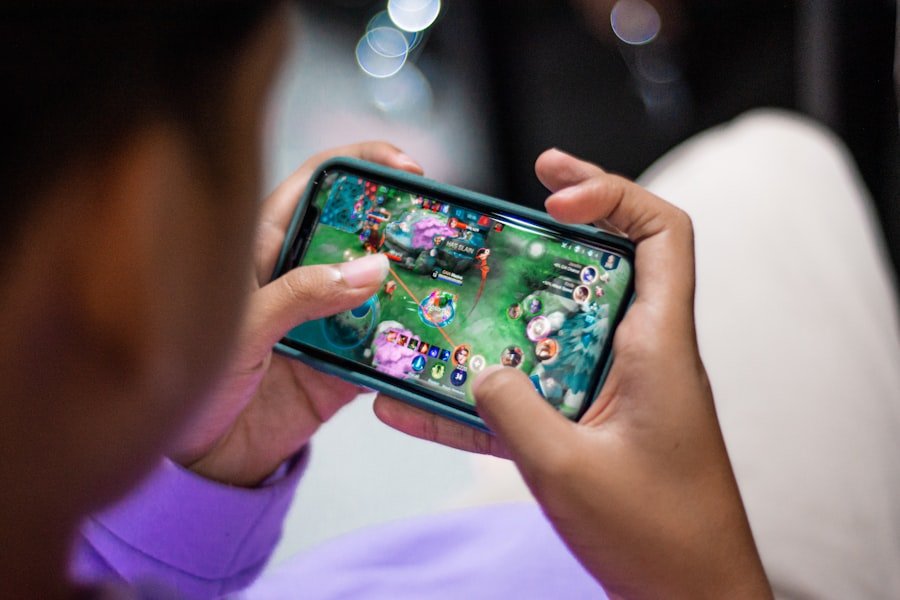
The way games make money is also undergoing a transformation. While early mobile gaming was often dominated by aggressive microtransactions, the future is looking towards more player-friendly and sustainable models.
The Subscription Premium
The appeal of a predictable, all-inclusive gaming experience is growing.
- Access to Libraries: Services like Apple Arcade and Google Play Pass offer curated collections of premium games for a monthly fee, often with no ads or in-app purchases.
- Value for Money: For players who try a lot of different games, subscriptions can be more cost-effective than buying individual titles.
- Developer Incentives: Developers on these platforms are compensated based on plays or engagement, shifting the focus from nickel-and-diming players to creating enjoyable experiences.
Ethical In-Game Purchases
When microtransactions are present, the emphasis is on fairness and player choice.
- Cosmetic Focus: The most player-friendly approach is to focus in-game purchases on cosmetic items that don’t affect gameplay. This allows players to personalize their experience without gaining an unfair advantage.
- Battle Pass Models: The battle pass, popularized by games like Fortnite, offers a tiered reward system that players can progress through by playing. While often containing cosmetic rewards, some may offer in-game currency or other bonuses.
- Transparency and Value: Developers are being pushed to be more transparent about what players are purchasing and to ensure that in-game purchases offer genuine value rather than feeling exploitative.
Play-to-Earn and Blockchain Integration (with Caution)
While still in its early stages and facing scrutiny, the integration of blockchain technology and play-to-earn mechanics is an area of exploration.
- True Ownership: The idea is that players can truly own in-game assets as NFTs (Non-Fungible Tokens) and potentially trade or sell them on open marketplaces.
- Economic Incentives: Play-to-earn models aim to reward players with cryptocurrency or other digital assets for their time and skill.
- Challenges and Criticisms: This space is rife with volatility, scams, and concerns about environmental impact. The long-term viability and ethical implications are still heavily debated, and it’s crucial to approach these models with a healthy dose of skepticism.
AI’s Role in Game Creation and Play
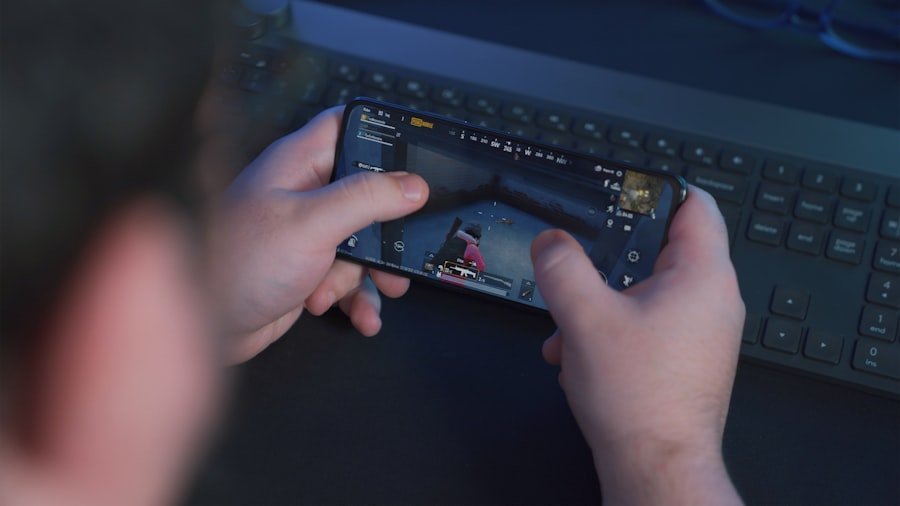
Artificial intelligence isn’t just a buzzword; it’s actively shaping how games are made and how we interact with them.
Smarter NPCs and Dynamic Worlds
Imagine game worlds that feel more alive and responsive than ever before.
- Adaptive AI Behavior: Non-player characters (NPCs) can become more sophisticated, exhibiting more complex decision-making, personality traits, and learning from player interactions.
- Procedural Content Generation: AI can create vast and varied game environments, quests, and challenges on the fly, leading to endlessly replayable experiences tailored to individual players.
- Personalized Experiences: AI can analyze player behavior and preferences to dynamically adjust gameplay difficulty, offer personalized challenges, or even suggest new content.
Streamlining the Development Pipeline
AI is becoming an invaluable tool for game developers, speeding up and enhancing the creation process.
- Automated Asset Creation: AI can assist in generating textures, 3D models, and even basic animations, freeing up human artists to focus on more complex and creative tasks.
- Bug Detection and Testing: AI can be used to automate the detection of bugs and glitches in games, leading to higher quality releases.
- Balancing and Design Assistance: AI can help developers analyze game balance, identify overpowered strategies, and suggest adjustments to improve the overall player experience.
Natural Language Processing and Player Interaction
Interacting with games is also becoming more intuitive.
- Voice Commands and Natural Dialogue: Future games could feature sophisticated voice command systems or allow players to engage in natural conversations with NPCs, leading to more immersive storytelling.
- AI-Powered Game Masters: Imagine an AI that can act as a Dungeon Master for tabletop-style RPGs, adapting the story and challenges based on player choices in real-time.
Mobile game development has become increasingly popular as more developers seek to create engaging experiences for users on their smartphones. To enhance the gaming experience, understanding the best mobile browsers and their capabilities is essential. For insights on optimizing browser performance and utilizing extensions effectively, you can refer to this informative article on mobile browsers. This knowledge can significantly impact how games are developed and played in today’s digital landscape.
The Evolution of User Interfaces and Controls
| Metrics | Data |
|---|---|
| Number of mobile game developers | Thousands |
| Mobile game revenue | Billions of dollars |
| Number of mobile game downloads | Billions |
| Top mobile game genres | Action, Puzzle, Strategy, Simulation |
| Mobile game development tools | Unity, Unreal Engine, Cocos2d |
As games become more complex and immersive, the way we interact with them needs to evolve too.
Intuitive Touch Controls
Developers are getting smarter about designing for touchscreens, moving beyond basic button layouts.
- Contextual Controls: Interfaces that adapt based on what the player is doing, showing relevant buttons only when needed.
- Gesture-Based Inputs: More sophisticated gestures that can control complex actions with simple swipes or taps.
- Adaptive UI Scaling: Ensuring that interfaces are legible and easy to use on a wide range of screen sizes and resolutions.
Leveraging Device Capabilities
Smartphones are packed with sensors, and developers are finding creative ways to use them.
- Motion Controls: Beyond simple tilting, think about precise motion detection for aiming or specific actions.
- Gyroscope and Accelerometer Integration: For immersive AR experiences or unique gameplay mechanics that utilize the physical movement of the device.
- Biometric Integration (Potential): While still speculative, future games might even integrate with biometric data for personalized challenges or adaptive difficulty.
The Hybrid Approach: Controller and Touchscreen Synergy
For some genres, the best experience might involve a combination of inputs.
- Smart Pairing: Games that intelligently allow you to switch between touchscreen controls and a connected gamepad without interruption.
- Companion Apps: Using your phone as a secondary screen for maps, inventory management, or unique control inputs while playing on a console or PC.
- Accessibility Options: Providing a range of control options to cater to different player needs and preferences.
The future of mobile game development promises a more connected, immersive, and accessible gaming landscape. Developers are pushing boundaries by embracing new technologies, rethinking monetization, and focusing on creating experiences that players can enjoy anywhere, with anyone. It’s a dynamic and exciting time for anyone who loves to play.