
So, you’re curious about mastering game art? Simply put, it’s about becoming a skilled creator of visual assets – characters, environments, props, and user interfaces – that bring a game world to life and enhance the player’s experience. It’s an incredibly diverse field, blending technical expertise with artistic vision, and it’s constantly evolving.
Before you dive in, it’s good to get a handle on what game art actually entails. It’s not just drawing cool pictures; it’s about creating impactful visuals that serve a specific purpose within a game. This means understanding how art integrates with design, engineering, and storytelling.
The Core Disciplines
Game art isn’t a monolithic field. It branches out into several specialized areas, and while there’s overlap, most artists tend to gravitate towards one or two.
- Concept Art: This is where it all begins. Concept artists visualize initial ideas, fleshing out characters, environments, and props through sketches, paintings, and mood boards. They set the visual tone and direction for the entire project. Think of them as the visual storytellers, translating abstract ideas into concrete images. They often work quickly, iterating on ideas to find the most compelling solutions. Their work acts as a blueprint for the 3D artists and animators.
- 3D Modeling: Here, concept art becomes tangible. 3D modelers sculpt and build characters, objects, and environments using specialized software. They focus on polygon count, topology, and ensuring the models are optimized for performance within the game engine. This involves both organic modeling (creatures, characters) and hard-surface modeling (vehicles, weapons).
- Texturing: Texturing artists add color, surface detail, and material qualities to 3D models. They use various techniques, like hand-painting, photobashing, and procedural generation, to make surfaces look like metal, wood, skin, or whatever the design calls for. Good texturing can dramatically enhance the realism or stylized appeal of an asset.
- Rigging and Animation: Once a 3D model is built and textured, it needs to move. Riggers create the skeletal structure (the “rig”) that animators use to pose and animate characters and objects. Animators then bring these rigs to life, creating everything from character walks and combat moves to environmental effects.
- Lighting and FX (Special Effects): Lighting artists establish the mood and atmosphere of a scene, guiding the player’s eye and enhancing immersion. FX artists create visual magic – explosions, magic spells, rain, fire, and other dynamic elements that add spectacle and impact to the gameplay.
- UI/UX Art: This area focuses on the visual design of the user interface (UI) and user experience (UX). Think menus, HUD elements, icons, and on-screen prompts. UI/UX artists ensure the interface is clear, intuitive, and visually cohesive with the game’s overall style.
Game Art Styles
The visual identity of a game is heavily influenced by its art style. Understanding different approaches can help you find your niche or adapt to project needs.
- Realistic: Aims to mimic the real world as closely as possible, often relying on high polygon counts, detailed textures, and advanced lighting.
- Stylized: Exaggerates certain features or uses non-realistic proportions and colors to create a distinctive aesthetic. This can range from cartoonish to painterly.
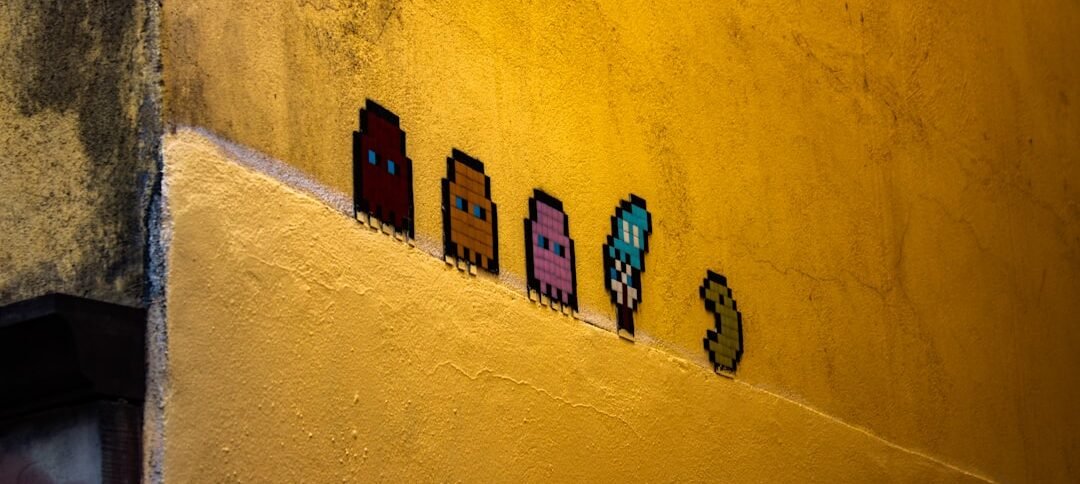
- Pixel Art: Uses individual pixels as building blocks, often evoking a retro feel. This requires a strong understanding of color palettes and composition within a limited resolution.
- Hand-Painted: Characterized by textures that appear to be painted by hand, often giving assets a softer, less photorealistic look. Popular in fantasy games.
- Cel-Shaded: Creates a distinctive flat, comic-book-like appearance by using sharp outlines and a limited color palette with strong shadows.
Game art plays a crucial role in shaping the visual identity and overall experience of video games, influencing player engagement and immersion. For those interested in exploring the deeper motivations behind creative expression in gaming, a related article titled “The Truth Behind Desires: Wanting vs. Showing Off” delves into the psychological aspects of artistic creation and its impact on audience perception. You can read more about it here: The Truth Behind Desires: Wanting vs. Showing Off.
Building Your Fundamental Artistic Skills
Regardless of which specific path you choose in game art, a strong foundation in traditional art principles is absolutely non-negotiable. Don’t skip this step.
Drawing and Sketching
This is the bedrock. Being able to sketch efficiently and express ideas quickly is invaluable. Practice perspective, anatomy, form, and composition. Even if you’re a 3D artist, being able to quickly block out ideas on paper or a tablet will speed up your workflow significantly.
- Life Drawing: Regularly drawing from real life (people, objects, environments) improves your observational skills, understanding of form, and ability to capture movement and gesture.
- Perspective: Mastering one, two, and three-point perspective is crucial for creating believable environments and objects that sit correctly in space.
- Composition: Learning how to arrange elements within a frame to create visual interest, guide the viewer’s eye, and tell a story is a core art principle that applies to all disciplines.
Color Theory and Lighting
Understanding how colors interact, create mood, and affect perception is vital. Similarly, knowing how light behaves – its source, intensity, falloff, and how it sculpts form – is fundamental to making your art pop.
- Color Harmonies: Learn about complementary, analogous, triadic colors, and how to use them to create appealing and impactful palettes.
- Value Control: This refers to the lightness or darkness of colors. Mastering value is arguably more important than color itself, as it defines form and readability.
- Materiality: Learn how different materials (metal, wood, fabric, skin) react to light, how they reflect and absorb it, and how to represent these qualities visually.
Anatomy and Form
Especially if you’re interested in character art, a deep understanding of human and animal anatomy is essential. Even for stylized characters, knowing the underlying structure helps you create believable deformations and poses.
- Skeletal Structure: Understand the basic framework of the body.
- Musculature: Learn how muscles attach, deform, and create surface contours.
- Proportions: Grasping realistic proportions, and then knowing when and how to deviate from them for stylized effect, is key.
Mastering the Tools of the Trade
Once you have a solid artistic foundation, it’s time to get proficient with the software used in game development. The industry standards change, but certain core applications remain prevalent.
3D Modeling Software
- Maya/Blender: These are industry-standard 3D modeling packages. Maya is often preferred in larger studios, while Blender has gained massive popularity due to its open-source nature and powerful feature set. You’ll use these for creating low-poly base meshes, UV mapping, and sometimes rigging and animation.
- ZBrush/Substance Designer: For high-detail sculpting and organic modeling, ZBrush is king. It allows for incredible levels of detail. Substance Designer is a powerful node-based tool for creating procedural textures, offering unparalleled creative control and efficiency.
- Substance Painter: This is a crucial tool for texturing. It allows you to paint directly onto your 3D models with incredibly detailed materials, smart masks, and PBR (Physically Based Rendering) workflows.
2D Art Software
- Photoshop/Procreate: These are the workhorses for concept art, texture painting (especially hand-painted styles), UI art, and general image manipulation. Procreate is particularly excellent for digital painting on iOS devices.
- Illustrator: For vector-based UI elements, logos, and crisp iconography, Illustrator or similar vector software is essential.
Game Engines
While not strictly art tools, having a basic understanding of game engines like Unity or Unreal Engine is incredibly valuable for a game artist. It allows you to see how your assets are integrated, understand technical constraints, and troubleshoot issues.
- Unity: A very popular and accessible engine, great for indies and mobile games.
- Unreal Engine: Known for its high-fidelity graphics and powerful tools, often used for AAA titles.
Developing a Portfolio and Landing a Job
Once you’ve honed your skills and built some cool art, getting it out there effectively is the next big step. Your portfolio is your calling card.
Quality Over Quantity
Don’t stuff your portfolio with every single piece you’ve ever made. Curate it. Only show your absolute best work, showcasing your strongest areas and the kind of art you want to be hired to create. Three to five exceptional pieces are far better than twenty mediocre ones.
Tailor Your Portfolio
If you’re applying for an environment artist role, make sure your portfolio heavily features environment art. If it’s a character artist position, show off your best characters. You can have a general portfolio, but consider creating specialized versions for different applications.
Demonstrate Your Process
It’s not just about the final image. Show some of your process: concept sketches, wireframes, high-poly vs. low-poly comparisons, texture maps, or even short breakdown videos. This demonstrates your problem-solving skills and technical understanding.
PBR Workflow
Ensure your portfolio pieces demonstrate a solid understanding of a Physically Based Rendering (PBR) workflow, as this is the industry standard for realistic and stylized rendering. This means correctly creating albedo, normal, roughness, metallic, and ambient occlusion maps.
Technical Art Skills (Bonus)
For those looking to go above and beyond, understanding basic scripting (Python for Maya, Blueprints for Unreal, C# for Unity) or shader creation can make you an even more valuable asset to a team. This isn’t usually required for entry-level art positions, but can help you stand out.
- Basic Scripting: Automating repetitive tasks, exporting assets efficiently.
- Shader Creation: Customizing how materials look and react to light, creating unique visual effects.
Game art plays a crucial role in the overall experience of video games, influencing everything from player immersion to storytelling. For those interested in exploring the financial aspects of the gaming industry, a related article discusses consumer rights and refunds in online shopping, which can be particularly relevant for gamers purchasing art assets or merchandise. You can read more about this topic in the article on getting your money back from AliExpress here. Understanding these processes can help gamers make informed decisions when investing in game art and related products.
Continuous Learning and Growth
| Game Art Metrics | Value |
|---|---|
| Number of 3D models | 150 |
| Number of 2D sprites | 300 |
| Texture resolution | 2048×2048 |
| Number of animations | 50 |
| Art style | Cartoon |
The game industry never stands still, and neither should you. Mastering game art is a journey, not a destination.
Stay Current with Industry Trends
New tools, techniques, and pipelines emerge constantly. Follow industry leaders, read blogs, subscribe to art channels, and attend virtual and in-person conferences (like GDC or Siggraph) to see what’s new.
Seek Feedback and Criticism
It can be tough to hear, but objective feedback is crucial for improvement. Join online art communities (ArtStation, Polycount, Discord servers) and actively seek out critique from experienced artists. Learn to filter constructive criticism from unhelpful comments.
Personal Projects
Work on passion projects outside of your paid work. This allows you to experiment, learn new techniques without commercial pressure, and build out your portfolio with things you genuinely enjoy creating. It keeps your creative spark alive.
Attend Workshops and Online Courses
Platforms like ArtStation Learning, Gumroad, Coursera, and YouTube offer an incredible wealth of tutorials and workshops from industry professionals. Invest in your education.
Networking
Connect with other artists, developers, and industry professionals. Go to local meetups, join online communities, and attend events. Networking can open doors to new opportunities and provide valuable insights and mentorship.
Ultimately, mastering game art is about dedication, endless practice, and a genuine passion for creating compelling visual experiences. It’s a challenging but incredibly rewarding field where your artistic vision gets to entertain millions. Good luck with your journey!