

So, you’re curious about mastering the craft of video game design, huh? That’s a fantastic question, and the short answer is: it’s a blend of creativity, technical know-how, and a whole lot of persistent iteration. Think of it less like finding a magic formula and more like learning a complex skill – one that involves understanding what makes games fun, how to build them, and how to keep refining them until they shine. There’s no single “aha!” moment, but rather a journey of learning, doing, and learning some more. Let’s dive into what that actually looks like.
At its heart, a game is about interacting with a set of rules and systems to achieve a goal, and the fun comes from figuring out how to navigate those challenges. This is where gameplay mechanics come in – they are the fundamental actions and systems that the player interacts with. Mastering this means understanding what makes these mechanics engaging, intuitive, and ultimately, enjoyable.
What Are Gameplay Mechanics, Really?
Think about your favorite games. What do you do in them? In Super Mario Bros., you jump and run. In Tetris, you rotate falling blocks. In Dark Souls, you dodge, parry, and attack. These are your core mechanics. They are the verbs of your game. Without solid mechanics, even the most beautiful graphics or compelling story will fall flat.
Designing for Player Agency
A key element of good mechanics is giving the player meaningful choices and control. This is what we call player agency. When players feel like their actions have consequences and that they are influencing the game world, they’re more likely to be invested.
The Illusion of Choice vs. Real Choice
Not all choices are created equal. Sometimes, games offer the illusion of choice, where the outcome is largely predetermined. While this can be useful for guiding the player, true mastery involves creating situations where player decisions genuinely matter and lead to different paths or outcomes. Consider how a branching narrative in an RPG works – player choices dictate character relationships, plot progression, and even the ending.
Intuitive Controls and Feedback
Good mechanics are often invisible. Players shouldn’t have to think about how to perform an action; they should just be able to do it. This means designing for intuitive controls that feel natural and responsive. Equally important is feedback. When a player presses a button, the game needs to react. This could be a visual cue, an audio effect, or a change in the environment. Without clear feedback, players will be confused and frustrated.
Balancing and Pacing
Once you have your core mechanics, the next challenge is balancing them. This means ensuring they work together harmoniously and that the game isn’t too easy or too difficult. Pacing is also crucial. How quickly do new mechanics get introduced? When do challenges ramp up?
The Flow State
A well-designed game will often put players in a state of “flow,” where they are fully immersed and challenged just enough to stay engaged. This involves a constant calibration of difficulty and reward, ensuring that players are consistently learning and improving without feeling overwhelmed or bored.
Introducing New Mechanics Effectively
Throwing too many new mechanics at a player all at once is a recipe for disaster. Effective design involves introducing new concepts gradually, allowing players time to learn and master each one before layering on more complexity. Think about how early-game tutorials in many games introduce one button press at a time.
In the realm of video game design, understanding audience engagement is crucial for creating immersive experiences. A related article that offers insights into audience interaction is available at How to Find High Traffic Quora Questions. This resource can help game designers tap into popular topics and questions that resonate with potential players, ultimately enhancing their game’s appeal and marketability.
Weaving a Narrative: Storytelling in Games
Games are no longer just about high scores. Many now boast rich narratives that can rival those found in books or films. Mastering storytelling means understanding how to weave your plot, characters, and world-building into the interactive fabric of your game.
The Uniqueness of Interactive Storytelling
Unlike passive media, games allow players to participate in the story. This is a powerful tool, but it also presents unique challenges. You can’t simply present cutscenes for hours on end without alienating players who want to play.
Environmental Storytelling
Sometimes, the most impactful storytelling isn’t delivered through dialogue or cutscenes, but through the game world itself. A ruined city, a discarded journal, or a peculiar arrangement of objects can tell a story without a single word being spoken. This is environmental storytelling, and it’s a hallmark of sophisticated game design.
Player-Driven Narratives
The ultimate form of interactive storytelling is when the player’s actions directly shape the narrative outcome. This can be achieved through branching storylines, character relationships determined by player choices, or even emergent narratives that arise from the complex interplay of game systems.
Character, World, and Plot: The Pillars
Like any good story, game narratives rely on strong characters, a well-realized world, and a compelling plot.
Memorable Characters
Players connect with games through their characters. Whether it’s a heroic protagonist, a dastardly villain, or a quirky sidekick, memorable characters are vital. This means giving them believable motivations, distinct personalities, and arcs that resonate with the player.
Believable Worlds
The game world is not just a backdrop; it’s a character in itself. Whether it’s a fantastical realm or a realistic depiction of a city, the world needs to feel cohesive and believable. This involves considering its history, its culture, its inhabitants, and how it all fits together.
Engaging Plots
A good plot keeps players hooked. It needs conflict, rising action, a climax, and a satisfying resolution. In games, this often means balancing plot progression with player freedom, ensuring that the story moves forward without feeling overly directed.
Designing for the Player Experience: User Interface and User Experience
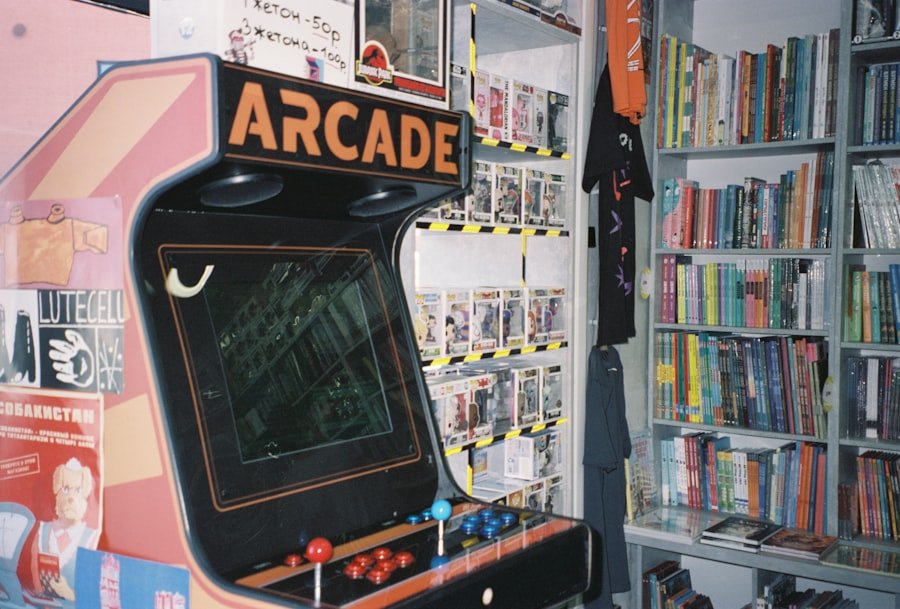
Beyond mechanics and narrative, there’s the crucial aspect of how the player actually interacts with the game. This is where User Interface (UI) and User Experience (UX) design come into play. Getting this wrong can make even the most brilliant game feel clunky and frustrating.
The Unseen Foundation: UI and UX
UI is what the player sees – the menus, the heads-up display (HUD), the buttons. UX is how the player feels while interacting with the game. Good UX is often about making the interface disappear, allowing the player to focus on the game itself without being bogged down by confusing menus or overwhelming information.
Intuitive Navigation
Menus and interfaces should be easy to understand and navigate. Players shouldn’t have to hunt for options or guess what a button does. Clear labeling, logical organization, and consistent placement of elements are key.
The HUD: Information Overload or Essential Guide?
The HUD provides vital information like health, ammo, and objectives. The challenge is to present this information clearly and concisely without cluttering the screen and obscuring the gameplay. Different genres will require different approaches. A tactical shooter might need more on-screen information than a walking simulator.
Accessibility Matters
True mastery of UX means designing for everyone. This includes considering players with disabilities. Options like customizable controls, adjustable text sizes, colorblind modes, and alternative input methods can make your game accessible to a much wider audience.
Crafting the Player Journey
UX design also involves thinking about the player’s entire journey, from the moment they launch the game to the moment they put it down.
Onboarding and Tutorials
How do players learn your game? An effective onboarding process is crucial. This can range from a guided tutorial to a gentle introduction of mechanics through gameplay itself. The goal is to get players playing and having fun as quickly as possible, without making them feel patronized.
Feedback Loops and Encouragement
Players need to know when they’re doing well. Positive reinforcement, like satisfying sound effects and visual cues when completing an objective or defeating an enemy, can be incredibly motivating. Equally important is how the game handles failure – it should be a learning experience, not just a punishment.
Minimizing Friction
Anything that unnecessarily interrupts the flow of gameplay is friction. This could be long loading screens, frequent interruptions for system messages, or obtuse menus. Reducing friction allows players to stay immersed and enjoy the experience.
The Technical Backbone: Programming and Engine Choice
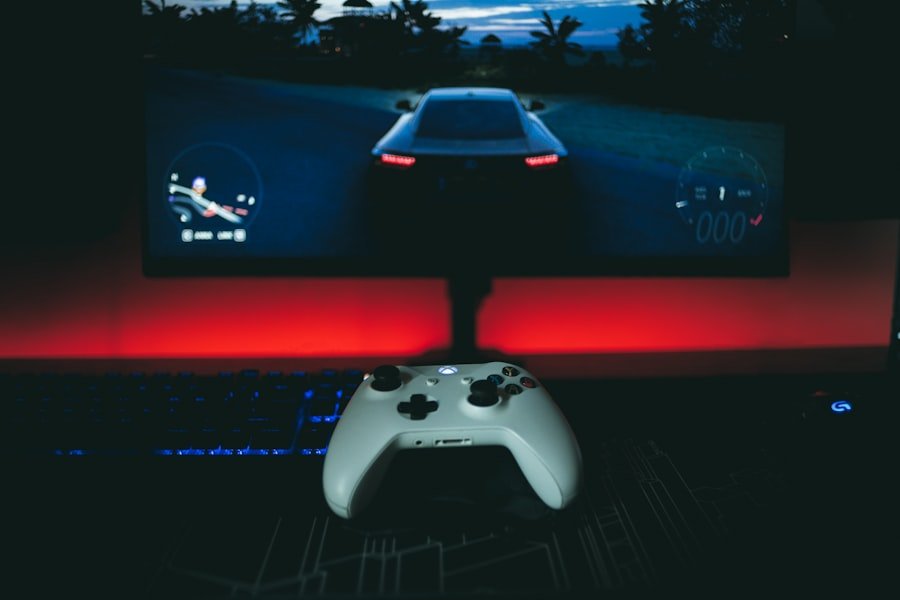
While design is often seen as the creative side, understanding the technical aspects of game development is essential for bringing those design ideas to life. This involves knowing how games are built and the tools available to do so.
Code is King, But Tools Help
You don’t necessarily need to be a master programmer to be a game designer, but a working knowledge of programming concepts and logic will make you a much more effective designer. It allows you to communicate better with your programming team and understand the limitations and possibilities of your designs.
Understanding Game Logic
Game logic is the set of rules that govern how the game behaves. This includes how characters move, how enemies react, how scores are calculated, and how objectives are met. A good designer has a solid grasp of this logic, even if they aren’t writing the code themselves.
Scripting vs. Full Programming
Many game engines use scripting languages (like Lua or C# in Unity) that are more accessible than lower-level programming languages. These are excellent for implementing gameplay mechanics and prototyping ideas. However, for more complex systems, the core engine will likely be built in languages like C++.
Choosing Your Weapons: Game Engines
The game engine is the foundational software that facilitates game creation. Choosing the right engine can significantly impact your development workflow and the scope of your project.
Unity: The Versatile All-Rounder
Unity is a popular choice for many indie and mobile game developers. Its strengths lie in its ease of use, extensive asset store, and support for a wide range of platforms. It’s a great engine for learning and for prototyping quickly.
Unreal Engine: Powerhouse for Visuals
Unreal Engine is known for its stunning visual fidelity and powerful tools. It’s often favored for AAA titles and games that prioritize graphics. While it has a steeper learning curve, its capabilities are immense.
Other Engines and Frameworks
There are many other engines and frameworks available, each with its own strengths and ideal use cases. Godot is a free and open-source option that’s gaining popularity. Other frameworks cater to specific genres or platforms. The key is to research and choose an engine that aligns with your project’s needs and your team’s skill set.
In the ever-evolving world of video game design, understanding the intersection of technology and creativity is crucial for aspiring developers. A fascinating article that delves into the innovative aspects of design can be found here, where it explores various methodologies and trends shaping the industry. For those interested in enhancing their skills and knowledge, this resource provides valuable insights into the principles that drive successful game development. You can read more about it in this related article.
The Iterative Nature of Design: Playtesting and Refinement
| Aspect | Metric |
|---|---|
| Player Engagement | Average playtime per session |
| User Experience | Number of bugs reported |
| Game Mechanics | Number of interactive elements |
| Storytelling | Number of dialogue options |
| Visual Design | Frames per second (FPS) |
Mastering game design isn’t about getting it perfect on the first try. It’s a relentless cycle of building, testing, and improving. This is where playtesting and iteration become your most valuable tools.
Build, Test, Break, Repeat
No game is truly born a masterpiece. It’s forged through countless hours of testing and refinement. This means constantly getting your game into the hands of players and observing their experiences.
The Importance of Playtesting
Playtesting is not just about seeing if the game works technically. It’s about observing how players feel and interact with your game. Are they having fun? Are they frustrated? Where are they getting stuck? This feedback is invaluable for identifying areas for improvement.
Different Types of Playtesting
There are various forms of playtesting, from informal play sessions with friends to structured, moderated playtests with target audiences. Each offers unique insights. Early-stage playtesting might focus on core mechanics, while later stages might examine the overall player experience.
Making Sense of Feedback
Collecting feedback is one thing; acting on it is another. You’ll receive a lot of input, and not all of it will be useful. Learning to filter and prioritize feedback is a crucial skill.
Identifying Core Issues
Look for recurring problems reported by multiple testers. If many players are getting confused by a particular mechanic or struggling with a specific challenge, it’s a clear sign that something needs to be addressed.
The “Dreaded Fun” Trap
Sometimes, testers might suggest changes that, while making the game “easier” or “more convenient” for them in that moment, might fundamentally break the intended challenge and fun. It’s important to distinguish between genuine usability issues and subjective preferences that might dilute the core experience.
Embracing Iteration
Iteration is the process of making changes based on feedback and then testing those changes. This cycle can feel tedious, but it’s the engine of improvement.
Small, Focused Changes
Avoid making sweeping changes all at once. Instead, focus on addressing one or two key issues at a time. This makes it easier to track the impact of your changes and avoid introducing new problems.
Don’t Be Afraid to Cut
Sometimes, the best solution is to remove a feature or mechanic that isn’t working, no matter how much time or effort you invested in it. This can be difficult, but it’s essential for creating a focused and enjoyable game.
Mastering video game design is a journey, not a destination. It’s about continuous learning, a willingness to experiment, and a deep understanding of what makes games tick. It’s about the joy of creating experiences that others can lose themselves in. Keep playing, keep creating, and keep learning.